











Cyclone Arnab: Governor Directs Odisha Administration to Ensure Zero Casualties and Protect Crops
Bhubaneswar: With Cyclone Arnab triggering heavy rainfall across several districts of Odisha, Governor Braj Mohan Ram has directed the state administration to ensure zero casualties and minimise crop and property losses through coordinated disaster management efforts.
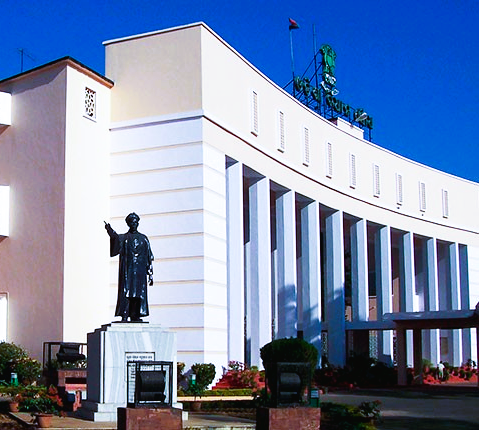
During a high-level review meeting at Lok Seva Bhawan, the Governor assessed the state’s preparedness alongside Special Relief Commissioner (SRC) Rajesh Prabhakar Patil.
Stressing the importance of proactive response measures, he called for constant vigilance and seamless coordination among all departments.
Although Cyclone Arnab has not made a direct landfall on the Odisha coast, its extensive atmospheric circulation has resulted in intense rainfall across southern districts, including Gajapati, Malkangiri and Rayagada.
Authorities have initiated precautionary measures to safeguard residents in vulnerable areas.
As part of the preparedness strategy, people residing in high-risk zones have been shifted to Multipurpose Cyclone Shelters.
Emergency response agencies, including the Odisha Disaster Rapid Action Force (ODRAF), National Disaster Response Force (NDRF) and Fire Services, have been deployed and remain on standby for rescue and relief operations.
The Governor was informed that the Chief Minister and Revenue & Disaster Management Department officials are continuously monitoring the evolving situation to ensure swift implementation of emergency measures wherever required.
During the review, SRC Rajesh Prabhakar Patil highlighted Odisha’s internationally recognised disaster management model, which has been acknowledged by organisations such as the United Nations and the World Bank for its effectiveness in reducing casualties during natural disasters.
Expressing satisfaction with the state’s preparedness, Governor Braj Mohan Ram reiterated that protecting human lives, farmers’ livelihoods and public property must remain the administration’s top priorities as adverse weather conditions persist.