




‘We Will Vote in Both States’: Odisha-Andhra Border Villagers Spark Electoral Debate
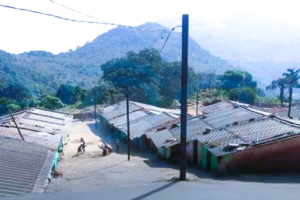
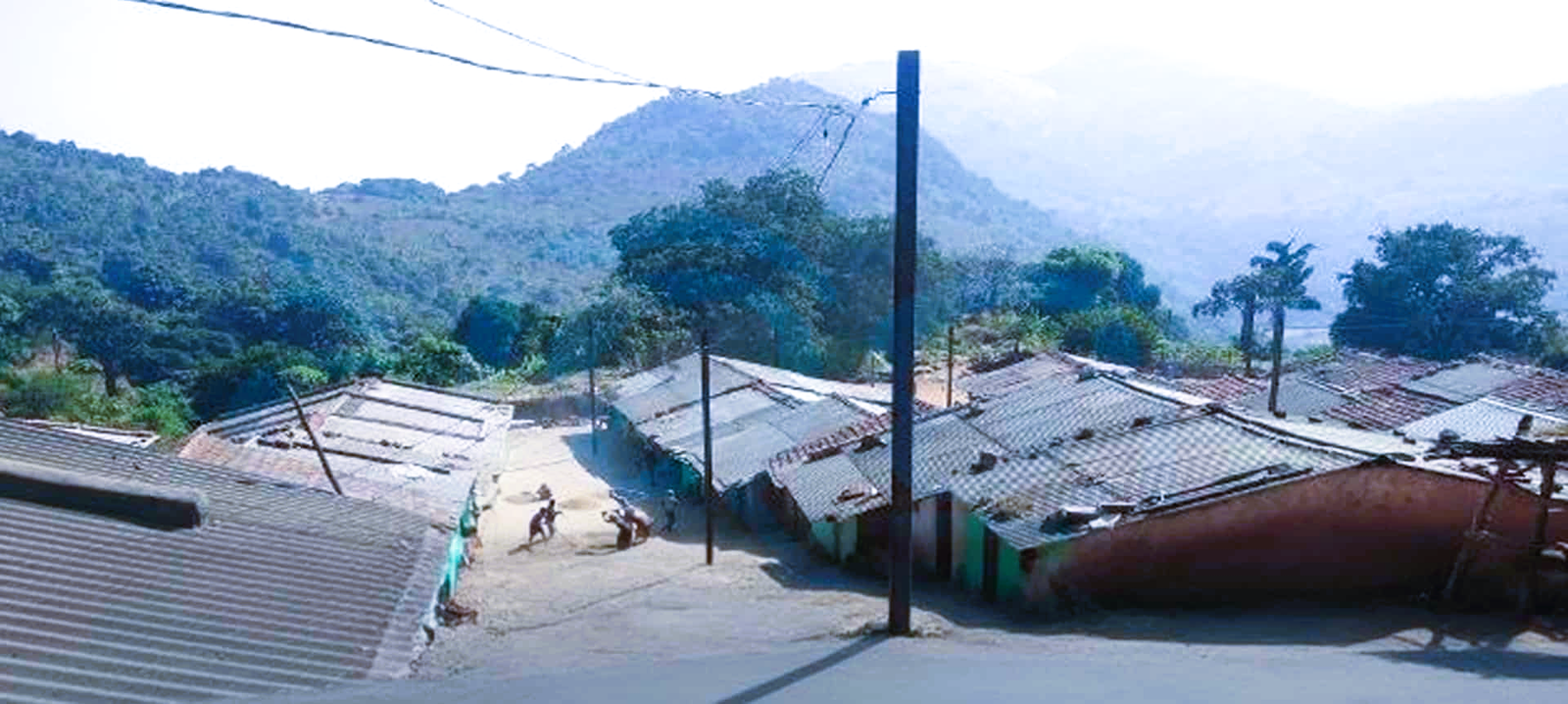
Koraput: A fresh electoral controversy has emerged along the Odisha-Andhra Pradesh border, with residents of several villages in Koraput district claiming they would cast their votes in elections conducted by both states.
The issue came to the fore ahead of local body elections in Andhra Pradesh, where election-related activities and campaign posters were reportedly observed in villages located under Odisha’s jurisdiction.
The development has reignited concerns over the long-standing boundary dispute between the two neighbouring states.
Many residents of the affected villages are said to possess identity documents issued by both Odisha and Andhra Pradesh.
As a result, they have been availing government benefits from both states while maintaining electoral links on either side of the border.
Villagers reportedly stated that they would participate in Andhra Pradesh’s local elections and would continue to vote in Odisha elections as well, citing their administrative and social connections with both states.
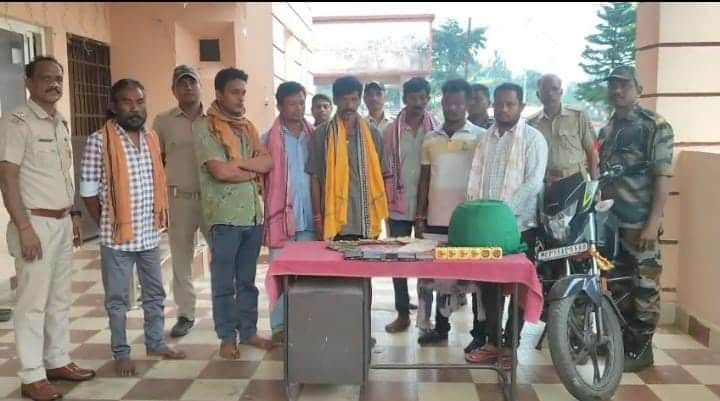
Following reports of Andhra election activities, Odisha administration and police officials visited the villages to assess the situation.
Authorities interacted with residents, created awareness about Odisha government’s welfare programmes, and facilitated the removal of Andhra election posters from the area.
Officials clarified that no Andhra polling station had been established within Odisha territory.
However, residents may travel to polling booths located across the state border to cast their votes.
The development has once again highlighted the complexities surrounding the Odisha-Andhra border dispute, where questions of administrative control, welfare benefits, and electoral participation continue to pose challenges for both state governments.
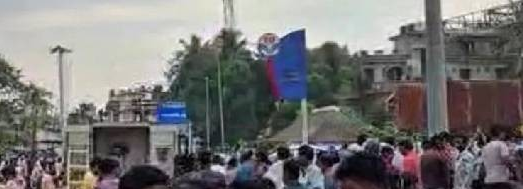
With polling activities underway in neighbouring Andhra Pradesh, authorities are expected to closely monitor developments in the sensitive border region to prevent any jurisdictional conflicts.