









Odisha Unveils ₹10 Crore Layer Farming Scheme to Boost Egg Production
Bhubaneswar: The Odisha Government on Friday launched the Commercial Layer Farming Scheme (CLFY) on the occasion of World Egg Day 2026, marking a significant step towards strengthening the state’s poultry sector and achieving self-sufficiency in egg production.
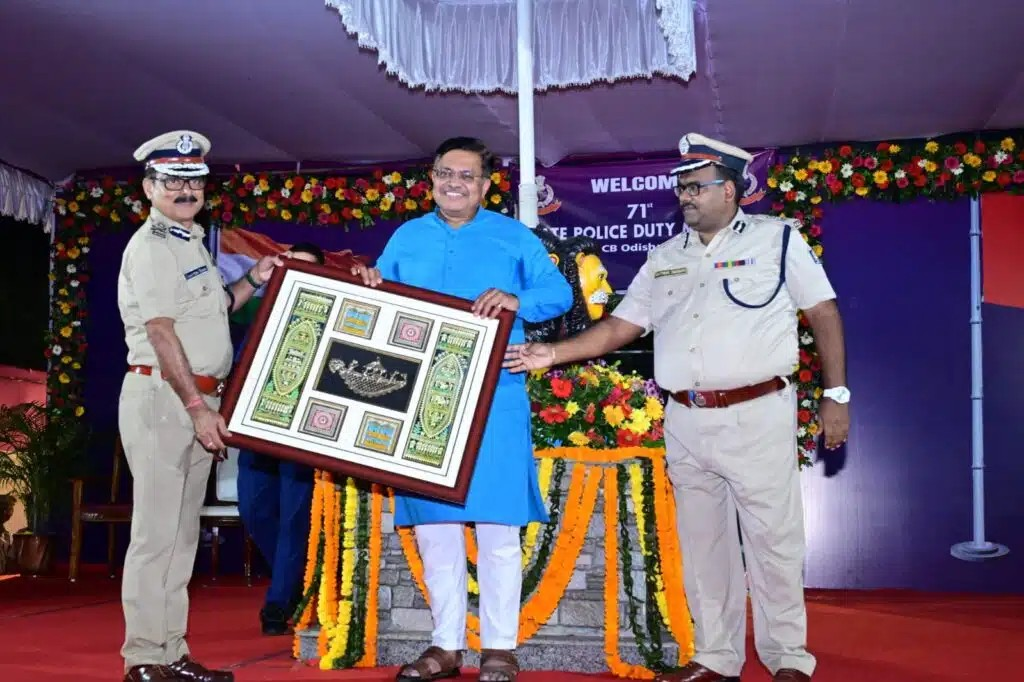
The scheme was inaugurated by Gokulananda Mallik, Minister for Fisheries and Animal Resources Development, at the Veterinary Training Institute in Bhubaneswar.
The initiative has been designed to support the establishment of modern, fully automated commercial layer and pullet farms across the state.
Under Odisha’s Vision-2036 roadmap, the government has set an ambitious target of producing 1,000 crore eggs annually by 2036.
Officials believe the newly launched scheme will play a crucial role in achieving this goal while creating new opportunities for poultry entrepreneurs and farmers.
A key feature of the scheme is the provision of financial assistance for large-scale poultry projects.
Entrepreneurs setting up automated layer farms with capacities exceeding 25,000 birds can avail subsidies of up to ₹10 crore.
The government will also provide advance subsidies through Mirror Accounts, helping beneficiaries reduce their loan interest burden.
Odisha currently produces around 1.12 crore eggs per day through 189 commercial and semi-commercial layer farms, alongside extensive backyard poultry activities.
To further expand production, the government has been implementing multiple poultry development initiatives across the state.
Under the Pranisampad Samridhi Yojana for 2026-27, nearly 43,000 beneficiaries are receiving full assistance for backyard poultry farming.
Financial support is also available for duck farming and semi-commercial poultry ventures, with subsidies ranging from 50% to 60% for eligible projects.
The state government has intensified investments in the sector, distributing nearly ₹512 crore in assistance to broiler and layer farmers over the past two and a half years.
Officials expect these measures to enhance rural livelihoods, generate employment, and boost nutritional security.
With per-capita egg availability currently standing at 87 eggs annually against the national average of 106, Odisha aims to bridge the gap by 2029 and eventually emerge as one of India’s top five egg-producing states.