


Odisha Battles Pollution Surge After Diwali Firecrackers Push AQI Higher
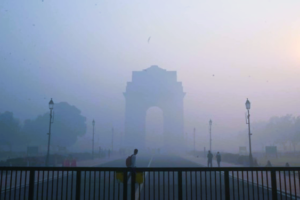
Bhubaneswar: Air quality across several parts of Odisha deteriorated significantly following Diwali celebrations, with firecracker emissions contributing to a sharp rise in pollution levels.
Monitoring stations in multiple cities recorded elevated Air Quality Index (AQI) readings, raising concerns among residents and health experts.
Among the worst-affected locations, Bileipada in Kendujhar registered an AQI of 288, while Talcher recorded 266. Bhubaneswar’s overall AQI stood at 207, placing the city in the poor air quality category.
Within the state capital, the Lingaraj Temple monitoring station reported an AQI of 242, while areas including AJ Colony, Jagamar, Hanspal, BJB Nagar, and Chintamanishwar also witnessed poor air quality conditions.
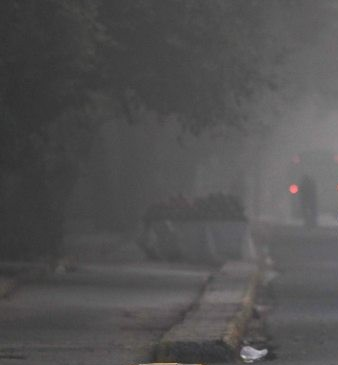
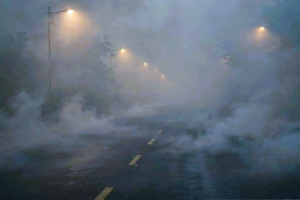
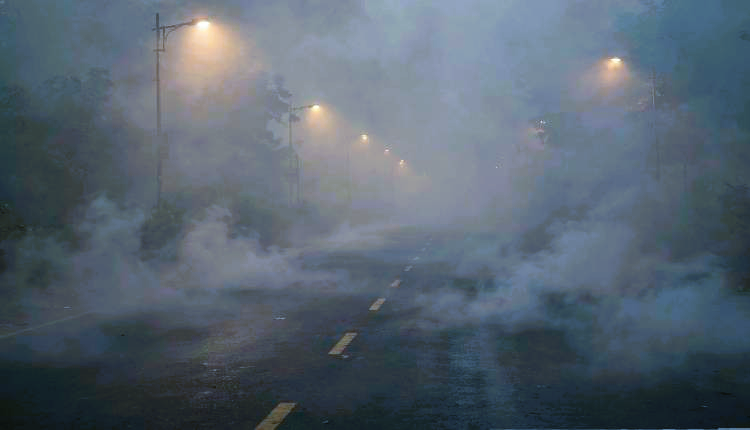
Residents reported dense smoke lingering in the atmosphere, reduced visibility, and discomfort while breathing.
Environmental monitoring data indicated a substantial increase in particulate matter levels following widespread firecracker usage during the festival.
In some localities, PM10 concentrations surged dramatically, contributing to the haze that blanketed urban areas overnight.
Meanwhile, cities such as Cuttack, Baripada, Balasore, and Barbil continued to remain in the moderate AQI category, though pollution levels were noticeably higher than usual.
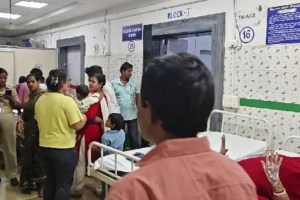
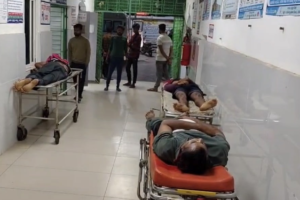
Health experts cautioned that poor air quality can pose serious risks, particularly for children, senior citizens, and individuals with respiratory or cardiovascular conditions.
Authorities have repeatedly urged citizens to adopt eco-friendly celebrations and minimise the use of firecrackers to reduce environmental impact.
Despite awareness campaigns and regulatory efforts, the post-festival pollution spike has once again highlighted the growing challenge of managing air quality during major celebrations.
Environmentalists have called for stricter enforcement of pollution-control measures and greater public participation in sustainable festivities.