



BJD Clarifies It Will Not Support INDIA Bloc’s Odisha Bandh, Reaffirms Independent Stand
Bhubaneswar: In a dramatic political turnaround, the Biju Janata Dal (BJD) on Tuesday clarified that it will not support the 12-hour Odisha bandh called by the opposition INDIA Bloc, ending speculation about a possible alignment between the regional party and the opposition coalition.
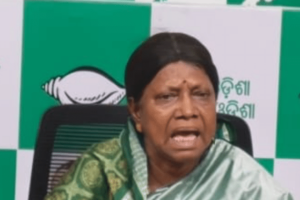
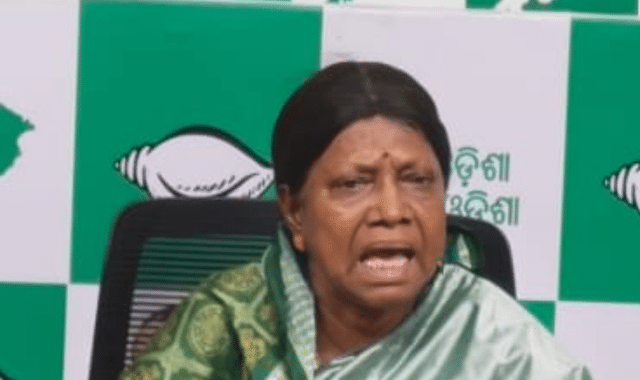
The confusion arose after BJD Chief Whip Pramila Mallik initially indicated support for the bandh following a meeting at Naveen Niwas.
Her remarks sparked political discussions, as the INDIA Bloc’s protest has been positioned as a major opposition campaign against several state and national issues.
However, within a short span of time, Mallik withdrew her earlier statement and clarified that the BJD had neither been consulted nor officially associated with the bandh call.
She asserted that the party does not support the shutdown and remains committed to its long-standing policy of maintaining equal distance from political alliances.
According to the clarification, the BJD is not a part of any coalition and will continue to pursue issue-based politics independently.
The party emphasised that its stance on public issues should not be interpreted as support for any particular political bloc.
The INDIA Bloc has announced the statewide bandh to press for multiple demands, including the repeal of the MMDR Amendment Act, resignation and arrest of Chief Election Commissioner Gyanesh Kumar, resignation of School and Mass Education Minister Nityananda Gond over alleged textbook errors, and enhanced relief measures for flood-affected families across Odisha.
Political observers note that while the BJD has voiced concerns on some of these issues, particularly mining-related legislation and governance matters, the party is keen to avoid perceptions of formally joining hands with the Congress-led opposition alliance.
The episode underscores the evolving political dynamics in Odisha, where parties continue to recalibrate their positions ahead of major public mobilisations while safeguarding their independent political identities.