









Odisha Drinking Water Crisis: 705 Projects Stalled Amid Groundwater Depletion and Contamination
Despite six years of the Jal Jeevan Mission (JJM), large parts of Odisha continue to grapple with chronic drinking water distress.
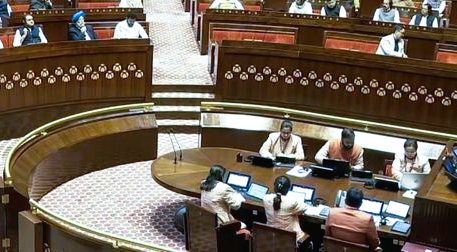
Severe groundwater depletion and contamination from iron, fluoride, salinity, and bacteriological pollutants have left several blocks vulnerable, according to Minister of State for Jal Shakti Shri V. Somanna’s statement in the Rajya Sabha.
The Odisha Panchayati Raj & Drinking Water Department has identified the worst-hit areas and is rolling out surface water-based mega piped supply projects, solar dual-pump schemes, iron removal plants, and de-fluoridation units. Sustainability measures such as recharge structures, restoration of traditional water bodies, and rainwater harvesting are also being pursued.
However, progress remains slow. A staggering 705 multi-village piped water projects are stalled due to land acquisition hurdles, contractor defaults, and delays in Right of Way (ROW) clearances from agencies including NH, NHAI, Railways, and Forest departments.
To fast-track implementation, the state has formed high-level committees, mandated monthly district reviews, and imposed penalties on defaulting contractors.
Priority is being given to quality-affected habitations in Nuapada, Bargarh, Mayurbhanj, and parts of Gajapati, where long-term surface water projects are planned.
Meanwhile, community awareness campaigns and strengthened Village Water & Sanitation Committees equipped with Field Test Kits are helping monitor water quality at the grassroots.
For immediate relief, the government is repairing defunct tube wells and installing new ones to ease summer shortages.
The Centre has reiterated its support to Odisha in achieving a sustainable tap water supply for every rural household under JJM.
