








Odisha Accelerates Digital Land Reforms, Centre Backs DILRMP 3.0 Rollout
Bhubaneswar: Odisha has intensified its efforts to modernise land administration with the implementation of the Digital India Land Records Modernisation Programme (DILRMP) 3.0, aimed at making land-related services more transparent, efficient, and citizen-friendly.
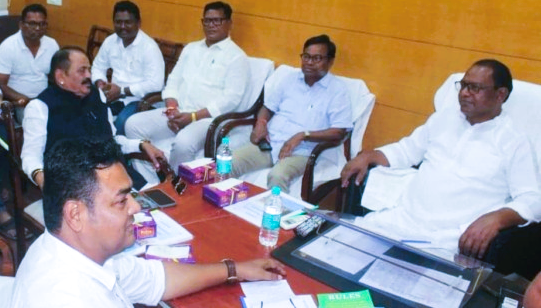
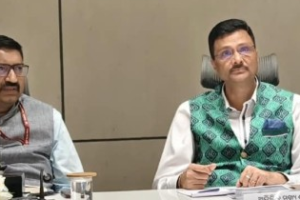
The initiative received a major boost following a high-level review meeting between central and state officials in Bhubaneswar.
Based on discussions reported in the Odisha Land Records Digitisation DILRMP 3.0 Update, the focus remains on creating a fully digital land governance ecosystem.
The programme envisions transforming traditional Sub-Registrar Offices into modern Registration Seva Kendras, delivering cashless, faceless, and paperless services to citizens.
The upgraded system is expected to significantly reduce paperwork, improve service delivery, and enhance transparency in property registration and land record management.
Key initiatives under DILRMP 3.0 include geo-referencing of land parcels, implementation of the Unique Land Parcel Identification Number (ULPIN), digitisation of cadastral maps, and integration of land records with modern digital platforms.
Efforts are also underway to computerise Revenue Courts, modernise Tahasil record rooms, and streamline land-related services across the state.
The state government is continuing the digitisation of legacy records, registered documents, and revenue data while strengthening metadata management through the State-Level Data Centre.
Ongoing land resurvey operations are also being integrated into the broader modernisation framework.
During the review meeting, P. Narahari, Joint Secretary in the Department of Land Resources, appreciated Odisha’s progress in revenue administration and assured that funding support would not be a constraint for the successful implementation of DILRMP 3.0. State officials, including Dr Arabinda Kumar Padhee and P. Anwesha Reddy, participated in the discussions.
The initiative is expected to enhance ease of access to land records, reduce delays in property transactions, and strengthen public confidence in land administration.
As Odisha advances towards fully digital land governance, the state is positioning itself as a model for technology-driven reforms in the revenue sector.