









Ganjam Floods: Suresh Pujari Blames 24 Years of BJD Rule for Disaster
Bhubaneswar: Odisha Revenue and Disaster Management Minister Suresh Pujari has blamed the previous Biju Janata Dal (BJD) government for the recent devastating floods in Ganjam district, asserting that decades of neglect in flood management and infrastructure planning contributed significantly to the crisis.
Responding to criticism from former Chief Minister Naveen Patnaik, who described the floods as a “manmade disaster,” Pujari rejected the allegation and said the state experienced an unprecedented rainfall event that overwhelmed existing systems.
The minister argued that during its 24-year tenure, the BJD government failed to implement sustainable flood-control measures, improve drainage networks, or undertake comprehensive river management projects.
He maintained that the current BJP-led government is now working with premier technical institutions, including IITs, to scientifically study flood patterns and strengthen disaster resilience across vulnerable regions.
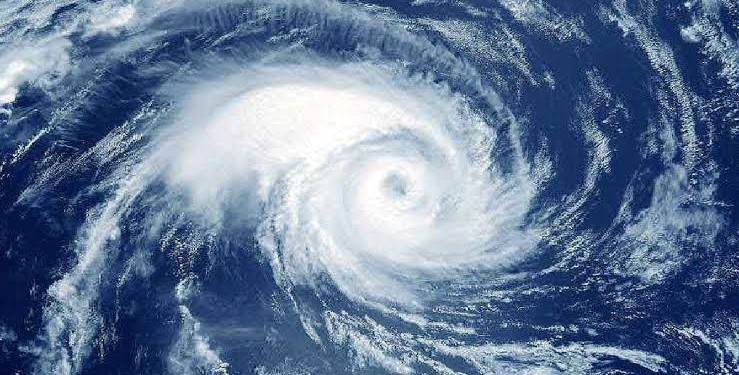
Highlighting the scale of the natural calamity, Pujari noted that Ganjam district received exceptionally high rainfall between October 28 and October 30.
Patrapur block reportedly recorded 808.4 mm of rainfall during the period, including 546 mm in a single day, making it one of the most intense rainfall events witnessed in Odisha in decades.
He further stated that authorities had prepared based on weather forecasts issued by the India Meteorological Department (IMD), but the actual rainfall significantly exceeded expectations.
According to the minister, the government swiftly mobilised relief and rescue operations, with eight ministers deployed to monitor the situation and coordinate assistance in affected areas.
The controversy comes after Naveen Patnaik accused the state government of violating disaster-management protocols and mishandling dam water releases, which allegedly worsened flood conditions.
Pujari, however, dismissed the allegations and challenged opposition leaders to present evidence in the Assembly to substantiate their claims.
As political exchanges intensify over the causes of the floods, the debate underscores the need for long-term flood mitigation strategies, scientific planning, and resilient infrastructure to protect vulnerable communities from increasingly extreme weather events.