


Didayi Tribal girl from Odisha cracks NEET
Balasore, Aug 18 (UNI) Achieving a rare feat, a girl from the Didayi tribal community of Malkangiri district, who dreamed of becoming a doctor, has cracked the National Eligibility cum Entrance Test (NEET) after taking coaching at a private institute in Balasore.
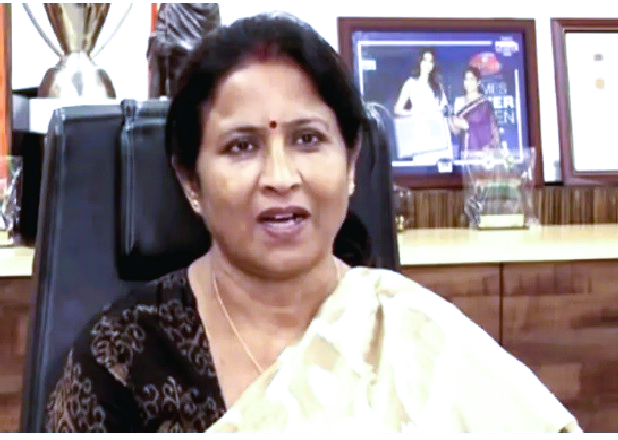
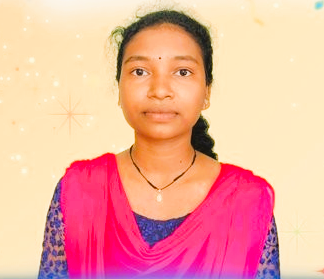
Champa Raspada, a resident of Amlibeda village in Muduliguda, has become the first woman from her community to qualify for MBBS. She has been offered admission to Fakir Mohan Medical College and Hospital, Balasore.
Champa was provided free coaching at IRODOV Classes, a private institute in Balasore.
High school teacher Utkal Keshari Das, a native of Sahada village in Balasore and currently posted in Malkangiri, played a crucial role in bringing her to Balasore for coaching.
Interestingly, the same institute had earlier trained Mangala Muduli from Malkangiri, who last year became the first person from the Bonda tribal community to clear NEET. Teacher Utkal Keshari Das had also been instrumental in guiding him to IRODOV Classes.
Champa’s achievement has brought immense joy to her family as well as the institute.“When she joined, we counselled her and offered free coaching due to her financial constraints. She worked very hard with full dedication. Today, we are delighted with her success.
“While many students from our institute have cleared NEET, Champa’s case is very special. Last year, Mangala Muduli made history for the Bonda community, and this year, Champa has done the same for the Didayi community,” said Sapan Khilar, proprietor of IRODOV Classes.
Coming from a large family dependent on agriculture, Champa always nurtured the dream of becoming a doctor despite financial hardships and lack of resources. After completing her schooling in government institutions, she pursued her goal with determination.
Expressing gratitude, Champa said she was indebted to IRODOV Classes and teacher Utkal Keshari Das for their guidance and support. She aspires to become a gynaecologist and serve the people of her community living in remote and inaccessible regions.
“I once saw a pregnant woman in our area lose her life due to lack of awareness and inadequate medical support during advanced stages. That incident deeply moved me. I want to become a gynaecologist to serve my people and also work towards eradicating superstitions, bringing them into the fold of modern healthcare,” Champa said.