







Orphanage Survey begins in Odisha to ensure child rights and welfare
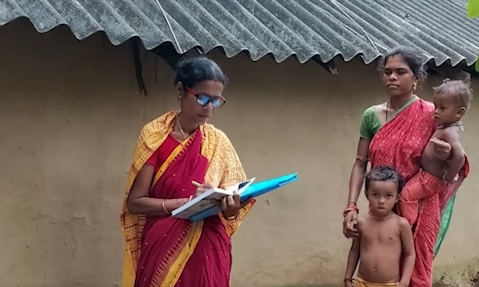
Bhubaneswar, July 13 (UNI) Odisha has launched a door-to-door campaign by the Anganwadi workers as part of the Orphanage Survey – 2025 to safeguard child rights and promote their welfare.
According to official sources, the campaign began on July 11 and will continue till July 21. During this period, Anganwadi workers will collect comprehensive information to identify orphans across the state.
The objective of the survey is to identify the children who have lost both parents, children who have lost their father and are living with their mother, children who have lost their mother, children living with unemployed fathers due to more than 40 percent disability or chronic illness, and all minors from birth up to 18 years of age in vulnerable conditions till June 1, 2025.
This data , sources said, will help formulate targeted plans for care, protection, and rehabilitation tailored to the specific needs of the identified children.
As per the provisions of the Yashoda Yojana, launched by the state government, such surveys are to be conducted every four years across the entire state.
In line with this directive, the Women and Child Development Department has issued detailed Orphan Survey Guidelines to all districts.
A special survey form has been designed at the state level, and master trainers have been trained at the district level to ensure smooth execution.
The data collected by the Anganwadi workers will be monitored by Supervisors and then forwarded to the District Child Protection Unit through the Child Development Project Manager. Ultimately, the information for each child will be uploaded to the ‘Amri Sishu’ portal.
The Odisha State Child Protection Committee will compile the collected data and prepare a detailed report.
It is worth noting that early identification of children in need of care and protection is crucial to uphold their rights to survival, development, protection, and participation.
The findings of this survey will also aid in formulating or revising policies and enable further intervention through camp sittings conducted by Child Welfare Committees.