












Odisha’s Proactive Cyclone Response Saves Lives, Sets Benchmark for Disaster Management
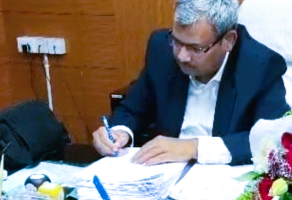
In a high-level review meeting chaired by Revenue and Disaster Management Minister Suresh Pujari, the Odisha government assessed the aftermath of Cyclone Montha, highlighting its successful zero-casualty outcome.
Drawing a poignant parallel to the devastating 1999 Super Cyclone, Pujari credited early warnings from the India Meteorological Department (IMD) and coordinated interdepartmental efforts for the state’s resilience.
Ahead of the cyclone’s landfall, 33 ODRAF teams, 5 NDRF units, and 133 fire service squads were deployed. Authorities activated 2,164 shelters and safely evacuated 18,732 residents, including 2,198 pregnant women—many of whom have since delivered safely.
Medical and veterinary teams were dispatched to vulnerable zones, while 362 community kitchens ensured hot meals for the displaced.
Despite heavy rainfall—150.5 mm in Gosanai block (Gajapati) and over 100 mm in several others—the Energy Department maintained an uninterrupted power supply and swiftly cleared road blockages.
Minister Pujari confirmed that damage assessments will begin post-October 30, with full normalisation expected by October 31.
Special Relief Commissioner Deoranjan Kumar Singh emphasised that regular reviews with district collectors and secretaries were key to the zero-casualty success. Odisha’s disaster preparedness framework continues to set a national example in climate resilience and emergency response.