









Odisha Unveils Electronics Component Manufacturing Policy 2025 to Transform State into an Electronics Hub
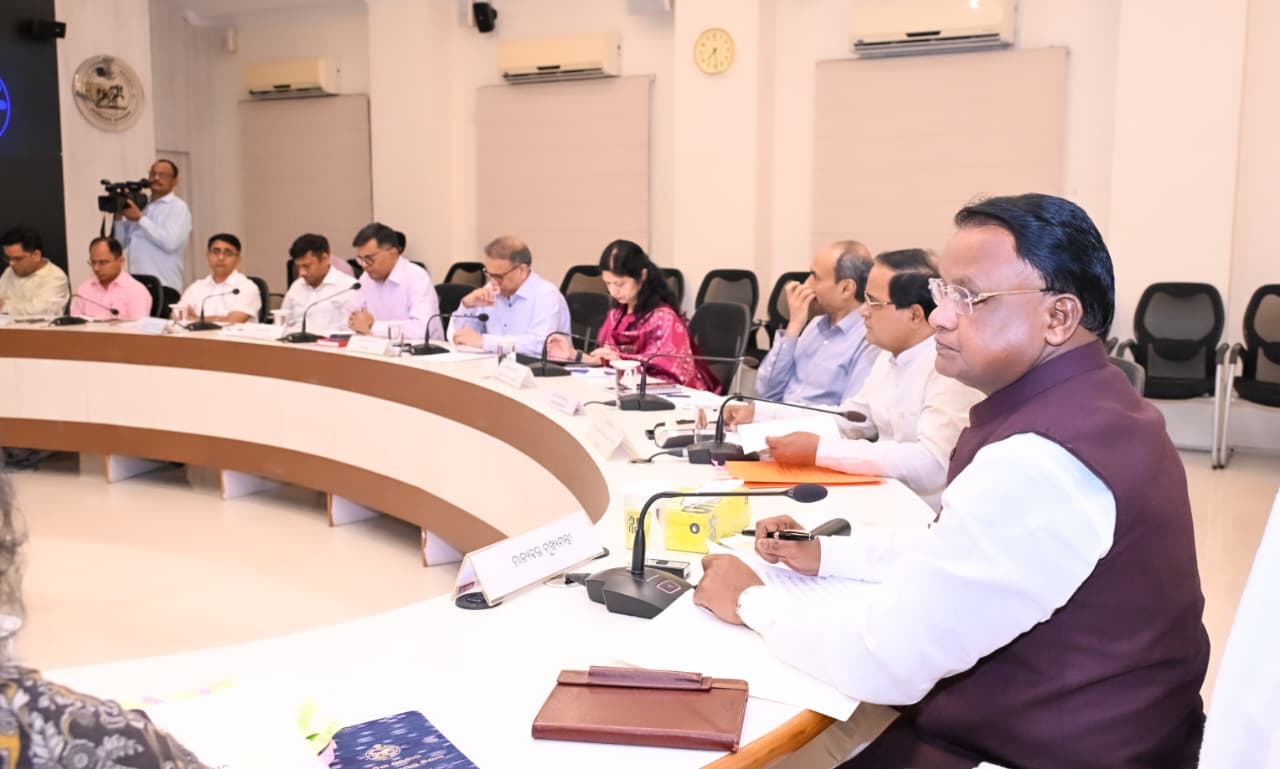
Bhubaneswar, Aug 25 (UNI) – The Odisha cabinet has approved the Odisha Electronics Component Manufacturing Policy 2025, marking a significant strategic initiative to position the state as a leading hub for electronics manufacturing.
In a briefing to the media after the cabinet meeting, State Chief Secretary Manoj Ahuja stated that the policy aims to create high-skilled employment opportunities while reducing India’s reliance on imported electronic components.
The policy provides a comprehensive incentive framework that includes fully matching support from the central government’s Electronics Component Manufacturing Scheme (ECMS).
Investors can choose between a 50 percent capital subsidy for their initial large-scale projects or a matching subsidy combined with turnover-linked incentives and additional capital subsidies.
Other key benefits include land allocation, rental assistance, a ten-year exemption from electricity duties, and power tariff reimbursements. Ahuja also mentioned that special provisions have been made for mega projects investing over Rs. 500 crore or creating more than 1,000 jobs, offering tailored concessions to these initiatives.
This move aligns with the national “Make in India” vision, which aims to foster a self-reliant electronics ecosystem and stimulate economic growth in Odisha. The Electronics Component Manufacturing Scheme (ECMS) was approved by the Union Cabinet under Prime Minister Narendra Modi in 2025.
The ECMS addresses critical challenges within India’s electronics manufacturing ecosystem, particularly the heavy dependence on imported electronic components, despite the expansion of assembly and finished goods production.
The scheme is designed to develop a robust and self-sufficient component manufacturing ecosystem by attracting both global and domestic investments, increasing domestic value addition (DVA), enhancing capacity and technological capabilities, and integrating Indian companies into global value chains.
The ECMS focuses on a wide range of components and sub-assemblies, especially passive components like resistors, capacitors, and inductors, which have extensive industrial applications, including in consumer electronics, the automotive industry, and defense sectors.
The Chief Secretary emphasised that through this dual strategy, Odisha is aligning with the “Make in India” vision by creating a self-sufficient electronics ecosystem, driving industrial growth, and establishing itself as a significant contributor to India’s electronics manufacturing sector.