

Odisha Cabinet Gives Nod to 5 Key Proposals
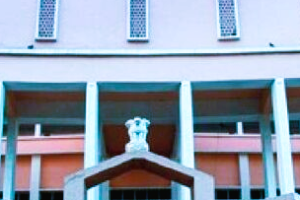
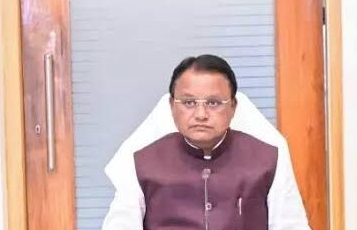
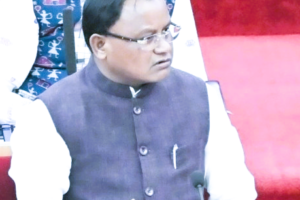
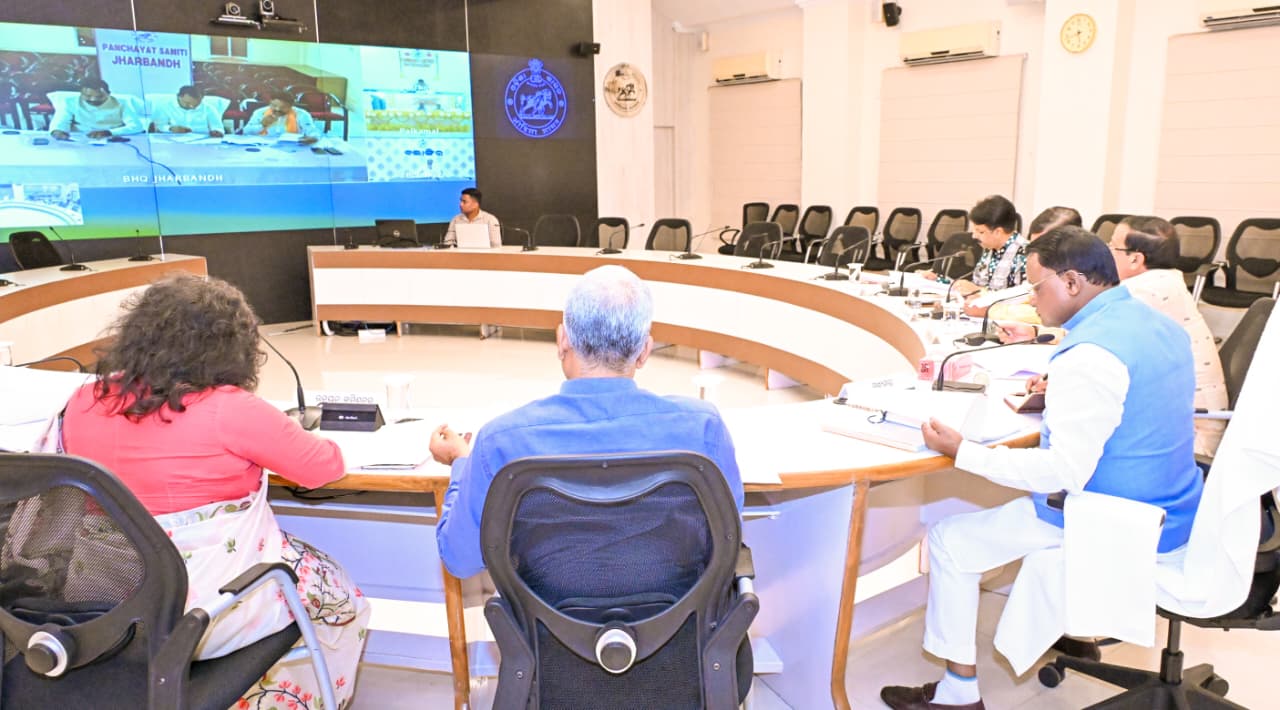
In a significant move towards ‘Developed Odisha-2036′, the Odisha Cabinet, chaired by Chief Minister Mohan Charan Majhi, convened its 29th meeting on Saturday at Lok Seva Bhawan in Bhubaneswar.
The session approved five key proposals from four departments—Fisheries and Animal Resources, Agriculture and Farmers’ Empowerment, Commerce and Transport, and Housing and Urban Development—unlocking ambitious plans to enhance aviation infrastructure, ensure affordable nutrition, and electrify public transport.
Aviation Sector Gets ₹4,182 Crore Liftoff with B-MAAN Scheme
At the forefront of the approvals is the integrated ‘B-MAAN (Bhubaneswar Metropolitan Area Aviation Network)’ scheme, designed to position Odisha as Eastern India’s premier aviation hub. Spanning 2025 to 2030, the initiative carries a total outlay of ₹4,182 crore, focusing on holistic aviation development, including infrastructure upgrades, connectivity enhancements, and skill-building.
Chief Secretary Manoj Ahuja, briefing the media post-meeting, emphasised that B-MAAN will make air travel more accessible for all, fostering regional connectivity under schemes like UDAN. Key components include:
- Development of greenfield and brownfield airports, helipads, and heliports across the state, with a focus on underdeveloped areas to boost regional and operational efficiency.
- Incentives for airlines, such as viability gap funding, to connect Tier-1 and Tier-2 cities with major hubs, expanding regional air links.
- Emphasis on maintenance, repair, and overhaul (MRO) facilities at Biju Patnaik International Airport and other strategic sites, creating a self-reliant aviation ecosystem to attract domestic investments.
- Promotion of emerging technologies like drones, eVTOL aircraft, and space vehicle manufacturing, preparing Odisha for next-gen aviation.
- Cargo and logistics infrastructure to support agricultural exports, industrial logistics, and time-sensitive commerce.
Ahuja highlighted that the scheme will also drive large-scale employment through specialised training programs for pilots, technicians—especially women—and ground staff. To streamline execution, the Directorate of Aviation will be restructured and empowered as a professional agency for policy, coordination, and implementation.
Aahar Scheme Enhanced: ₹512 Crore for Affordable Meals at ₹5 Per Plate
Addressing nutritional security, the Cabinet approved ₹512 crore for the revamped ‘Aahar’ scheme from 2025-26 to 2029-30. This will increase the meal cost from ₹23 to ₹27 per plate, while beneficiaries continue to pay just ₹5, with the government’s subsidy rising from ₹18 to ₹22 per meal.
The decision ensures uninterrupted service amid growing demand, providing hygienic, affordable cooked meals to the underprivileged. Ahuja noted that this step aligns with Odisha’s commitment to food security, benefiting millions across urban and rural areas through expanded Aahar centers.
Green Mobility Boost: 200 Electric Buses with ₹952.56 Crore Commitment
In a push for sustainable urban transport, the Cabinet cleared the procurement of 200 mid-size electric buses under Packages 8 and 9, backed by a 10-year operations and maintenance (O&M) allocation of ₹952.56 crore.
Under Package 8, 25 buses each for Kendujhar and Baripada, plus 50 for Brahmapur, totaling 100. Package 9 includes 25 each for Angul and Jharsuguda, and 50 for Sambalpur, another 100. This will extend electric bus services to six major cities, complete with charging stations and depot infrastructure.
Ahuja described the project as a landmark for ‘Developed Odisha’ and ‘Atmanirbhar Bharat’, reducing pollution and carbon emissions while expanding the existing fleet of 670 AMB buses that serve nearly 3 lakh daily passengers. It supports Vision 2047 by making public transport eco-friendly and inclusive.
Small Animal Development Sub-Scheme to Empower 23,735 Farmers with ₹929.36 Crore
Under the ‘Animal Resources Richness Scheme,’ the Cabinet approved the ‘Small Animal Development’ sub-scheme with ₹929.36 crore over four years (2025-26 to 2028-29). Aimed at meeting rising meat demand and boosting rural incomes, it will benefit 23,735 farmers, including women’s self-help groups (SHGs), generating an additional 12.28 metric tonnes of meat production annually.
Key allocations include:
– ₹163.29 crore for goat/sheep rearing (30+2 capacity units).
– ₹67.29 crore for small-scale goat/sheep units (10+1 capacity).
– ₹34.79 crore for small commercial piggery (10+1 capacity).
– ₹28.99 crore for financial aid on prior-year allotments.