





Odisha Assembly Clears ₹5,100 Crore Disaster Budget Amid Stormy Debate Over Flood Response
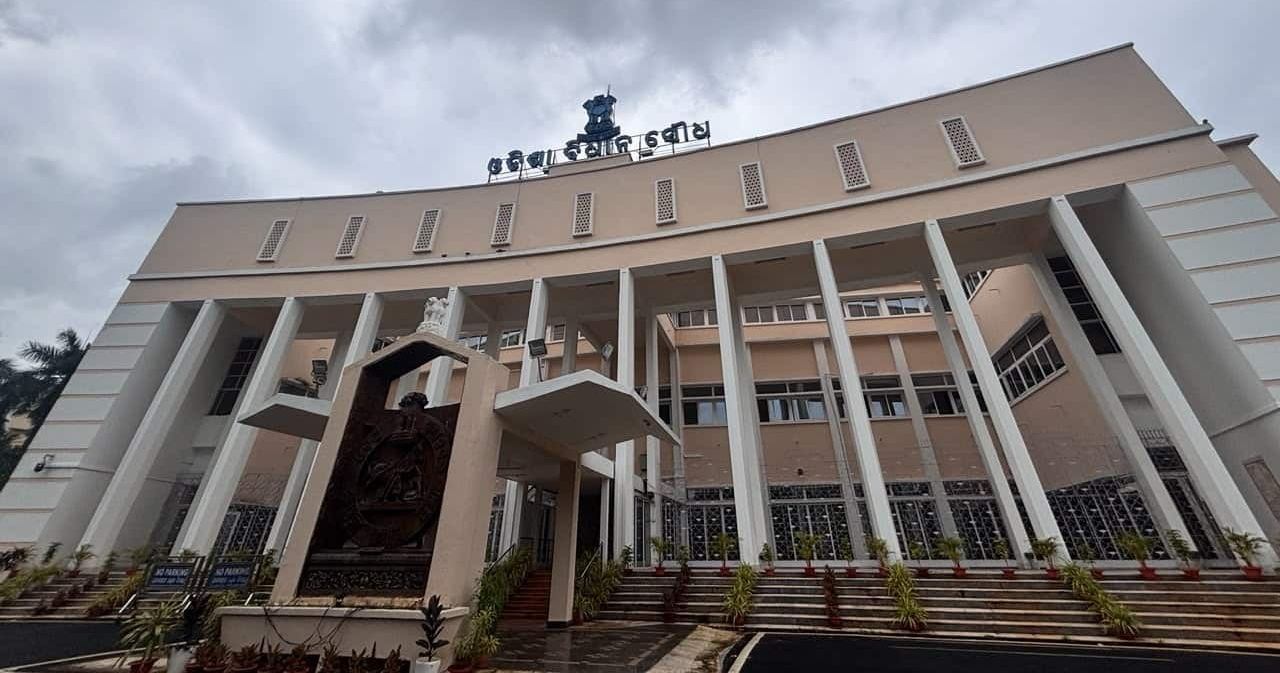
Bhubaneswar: The Odisha Legislative Assembly on Wednesday approved a supplementary budget of nearly ₹5,100 crore for the Revenue and Disaster Management Department, triggering a spirited debate over flood management, relief distribution, and disaster preparedness across the state.
The supplementary provision includes ₹4,998.99 crore for the Disaster Response and Mitigation Fund and a smaller allocation for programme expenditure.
The approval came amid strong criticism from opposition parties, who questioned the government’s handling of recent floods and the effectiveness of relief measures.
Members of the Biju Janata Dal (BJD) alleged that administrative lapses contributed to flooding in parts of Ganjam district and sought detailed reports on flood damage, relief distribution, and compensation provided to affected families.
The party also sought clarity regarding financial assistance requested from the Centre for disaster management and rehabilitation efforts.
Congress legislators raised concerns over fund utilisation, coordination among government departments, embankment maintenance, and the ongoing Kotia border issue.
They argued that greater transparency was needed in disaster response planning and execution.
As the debate intensified, BJD members staged a walkout, expressing dissatisfaction with the government’s responses. Several Congress members also protested during the discussion.
Defending the government’s approach, Revenue and Disaster Management Minister Suresh Pujari asserted that the administration had acted responsibly during the crisis and remained committed to transparent relief and rehabilitation efforts.
He urged opposition parties to contribute constructive suggestions to strengthen disaster management systems.
Members of the ruling party highlighted Odisha’s globally recognised disaster management model developed after the 1999 Super Cyclone.
They stressed the importance of long-term mitigation measures, including scientific studies of river basins, improved flood forecasting mechanisms, and landslide prevention initiatives.
Despite sharp political differences, the supplementary budget received legislative approval, ensuring significant financial support for disaster preparedness, response, and mitigation activities in the state.