












Major allocations for silk and weaving industries, judicial reforms, university reservation policy, fisheries cadre restructuring, and pharma infrastructure announced.
Bhubaneswar, Dec 6: The Odisha Cabinet, chaired by Chief Minister Mohan Charan Majhi, on Friday, has approved six significant proposals aimed at strengthening the state’s economic, social, and institutional frameworks.
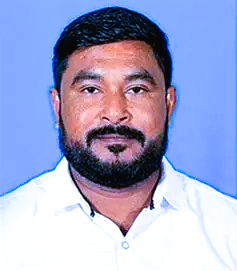
Parliamentary Affairs Minister Mukesh Mahaling shared details of the decisions in the assembly on Saturday.
Two flagship schemes received approval: the *Chief Minister’s Silk Development Scheme* with an allocation of Rs 274 crore over five years, and the *Chief Minister’s Weaving Industry Development Scheme* with Rs 490 crore earmarked to boost textile production, local entrepreneurship, and employment.
These initiatives are expected to protect farmers’ interests, promote ethical silk production, and position Odisha as an emerging hub for weaving industries.
The Cabinet also cleared proposals to ensure *uniform reservation policies in state universities*, replacing department-based systems with post-based rosters to enhance transparency and representation of SC, ST, SEBC, and other eligible categories.
In the fisheries sector, the *Odisha Fisheries Service Cadre* has been restructured, expanding director-level posts and creating 195 new Block Fisheries Officer positions to strengthen grassroots implementation.
Further, the Cabinet approved the *Odisha Pharma and Medical Equipment Policy 2025*, paving the way for the establishment of Odisha Pharma Park and Odisha MedTech Park. Infrastructure responsibilities will be handled by IDCO and EPICOL, with the Odisha Drug Development Cell as the nodal agency.
Judicial reforms were also endorsed, including amendments to the Odisha Superior Judicial Service and Odisha Judicial Service Rules, 2007.
These changes increase the upper age limit for direct recruitment of Civil Judges (Junior Division) to 42 years, streamline promotions, and ensure faster delivery of justice.
Parliamentary Affairs Minister Mukesh Mahaling emphasised that these decisions will accelerate industrial growth, safeguard farmer and artisan livelihoods, and strengthen institutional frameworks across the state.