




Captive Albino Crocodile “Mali” to be released into wild for mating: Expert
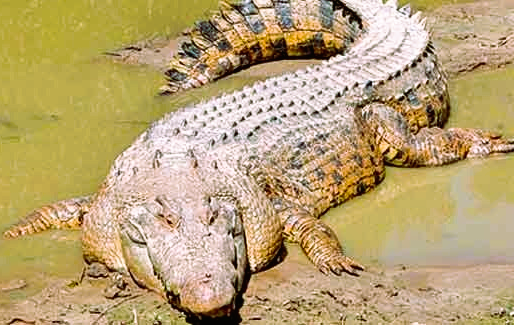
Kendrapara, July 2 (UNI) The 22-year-old captive female albino crocodile “Mali” in the Dangmal Research and Conservation centre in Bhitarkanika, might soon be released into the wild to facilitate natural mating, according to crocodile expert Dr Sudhakar Kar.
Dr. Kar said he had submitted a proposal to the forest department recommending Mali’s release, and the plan is currently under consideration.
If approved, Mali will be released this winter, as the conditions would be favourable for her survival and potential breeding with a male estuarine crocodile in the wild.
Meanwhile, both Mali and Gori, a 59-year-old captive female albino crocodile, recently laid eggs inside their pens at the Dangmal Research and Conservation centre in Bhitarkanika and have been guarding them.
Assistant Conservator of Forests (ACF) of Kanika Forest and Wildlife Range, Manas Kumar Das, stated that the eggs are likely infertile—locally called “ba anda”—since neither female has mated with a male estuarine crocodile.
Dr. Kar explained, “When a female crocodile reaches adulthood, she may lay eggs regardless of whether she has mated.
Typically, 30 to 40 infertile eggs are laid and guarded. If no hatchlings emerge, the crocodile destroys the eggs and returns to the water.”
However, the chances of releasing the older albino crocodile Gori into the wild are remote. “Gori is too accustomed to the pen environment and hand-feeding. She may not survive in the wild and would also face attacks from male crocodiles,” Dr. Kar noted.
Previous attempts by forest officials to mate Gori with wild males were made in 1985, 1987, 1990, and 1992 by introducing male crocodiles into her enclosure.
However, those efforts were abandoned after Gori turned aggressive and injured a male, losing her left eye in the process. Even a past attempt to release her into the wild ended with Gori suffering serious injuries.
Despite setbacks, the State Forest and Wildlife Department remains hopeful of eventually finding a suitable captive male mate for Gori, Dr. Kar said.
Bhitarkanika National Park remains the only location in India where albino crocodiles are found. Dr. Kar mentioned that despite several visits to the Sunderbans, he has never encountered an albino crocodile there.
During last year’s estuarine crocodile headcount at Bhitarkanika, 16 albino crocodiles were recorded under Dr. Kar’s supervision.
The Saltwater Crocodile Research and Conservation Project was established in July 1975. That same year, a wild nest was discovered on Kalibhanjdiha Island within the sanctuary.
Twenty-five eggs were collected and incubated at the Dangamala Research and Conservation Centre.
Of the 25, 24 successfully hatched, including one albino crocodile named Gori, born in August 1975.