







Bhubaneswar Chokes Under Toxic Smog as AQI Hits ‘Very Poor’ Levels
Bhubaneswar is grappling with a severe air pollution crisis, with the Air Quality Index (AQI) soaring to hazardous levels across multiple parts of the city.
On Friday afternoon, AQI readings touched 366 at Khandagiri, 348 near Lingaraj Temple, and remained above 320 at several other key junctions, including Master Canteen and Rabindra Mandap.
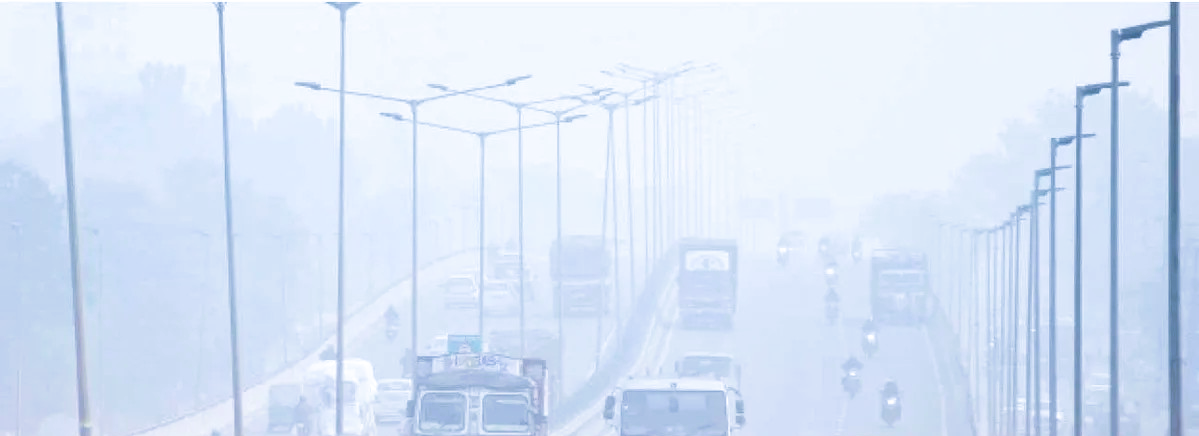
Visibility dropped below 500 meters, leaving residents enveloped in a blanket of smog.
Health experts warn that the spike in PM2.5 particles poses grave risks, including respiratory illnesses, asthma, tuberculosis, and cardiovascular complications.
Citizens have been advised to avoid outdoor activities, yet the crisis has persisted for over two weeks without decisive intervention.
Despite repeated alerts, the Odisha State Pollution Control Board and local administration have been accused of inaction.
No restrictions have been imposed on vehicular movement or construction activities, both of which are major contributors to the worsening air quality.
Forest Minister has admitted that air quality remains poor between November and February each year, but residents argue that the current situation is unprecedented.
Environmentalists caution that Bhubaneswar risks sliding into a Delhi‑like pollution scenario if urgent measures are not taken.
Rising vehicle numbers, unchecked construction, and lack of dust‑control mechanisms continue to fuel the crisis, sparking growing public dissatisfaction with the government’s response.